
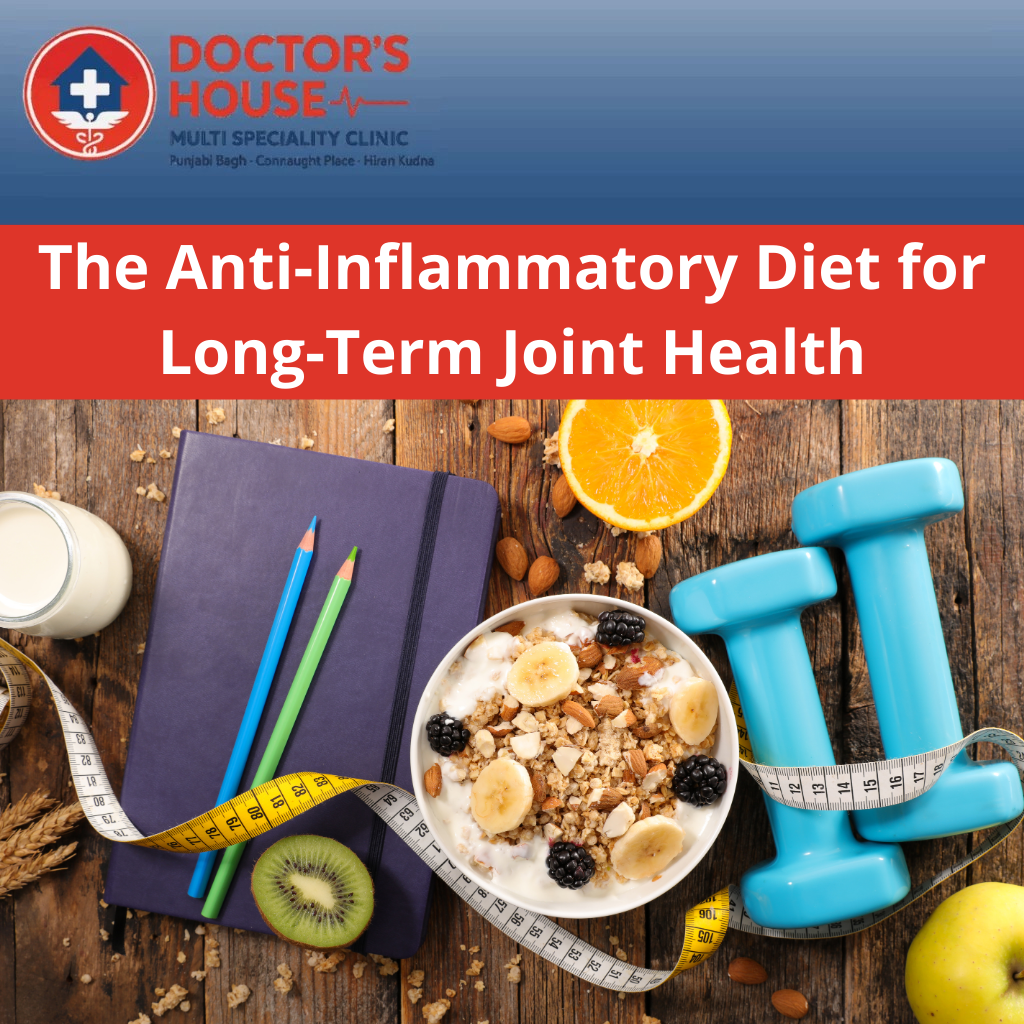
Why Your Diet Matters More Than You Think
Most of us think that knee pain emanates from injury, aging, or arthritis alone. But what most of us probably don’t realize is that the internal chemistry of the body, driven to a great degree by the foods we eat, plays an enormous role in how fast joints deteriorate. That’s why many specialists today are urging patients to consider an anti-inflammatory diet for knee pain-not as a trend, but as a long-term strategy for mobility and prevention.
But beneath the surface, inflammation is the silent force driving cartilage breakdown, tendon irritation, swelling, and stiffness. Medications can offer temporary relief, but what you eat every day ultimately decides whether your joints are healing… or slowly wearing away. A well-planned joint health diet works in conjunction with your body, reducing inflammation naturally and strengthening the tissues that keep your knees moving smoothly.
This isn’t a quick fix, but rather a lifestyle that creates pain-free movement over decades.
The Diet That Damages Your Knees: Foods to Avoid Immediately
1. Refined Sugars & Sugary Drinks
One of the fastest ways to ignite inflammation is sugar. Soft drinks, desserts, candies, and sweetened juices cause a spike in blood sugar. Your body reacts to it by releasing inflammatory chemicals called cytokines, which directly inflame your joints and cartilage. This may accelerate joint wear even with only occasional excessive sugar intake.
2. Refined Flours and Processed Carbs
Maida, white bread, pastries, noodles, and other refined carbs act inside the body just like sugar does. They offer little to no nutritional value yet dramatically increase inflammation. This, in turn, causes more stiffness, swelling, and increased pressure on the knees over time. Replacing refined carbohydrates with whole grains is one of the fastest ways to feel relief.
3. Trans Fats and Deep-Fried Foods
These fats don’t only initiate the process of inflammation but also perpetuate it. Fast food, packaged chips, bakery shortening, and fried snacks block natural lubrication inside your joints, making recovery slower after any knee strain or injury. Consuming trans fats on a daily basis is a direct way to be in chronic pain in the knees.
Getting rid of these items is the core behind any anti-inflammatory diet to ease knee pain.
The Foods That Heal: Building Your Anti-Inflammatory Plate
It’s not about just taking away the foods that are harmful; it is about adding the right knee-pain-relieving foods that support your joints from within.
Omega-3 Rich Foods
Fatty fish, including salmon, sardines, and tuna, have strong anti-inflammatory properties, just like plant sources such as flaxseeds and walnuts. Omega-3s help reduce joint stiffness and are particularly effective among those recovering from ACL injuries, meniscus tears, or early arthritis.
Surgeons recommend these foods because they may protect cartilage, preventing joint deterioration over a longer period of time.
Antioxidant-rich fruits and vegetables
Colorful foods such as blueberries, strawberries, spinach, beetroot, and bell peppers combat oxidative stress. It’s the process responsible for cell damage and acceleration of aging. Such antioxidants shield your cartilage and support smoother movement of your joints.
Even the addition of a cup of mixed berries to your breakfast can greatly enhance joint protection.
Clean Protein to Support Muscles
For your knee joint to be stable, it needs strong surrounding muscles; good sources of proteins that will help in maintaining the supportive structures include eggs, legumes, Greek yogurt, chicken, tofu, and almonds.
Without this, muscles weaken, and the knee joint then takes more load, accelerating the pain and degeneration.
Calcium & Vitamin D Sources
Calcium adds strength to bones, while Vitamin D helps your body absorb that calcium adequately. Together, they are the team that fosters longevity in healthy bones making up the knee joint. Incorporate dairy products, leafy greens, fortified cereals, mushrooms, and safe sun exposure.
The Joint Health Diet: Daily Habits That Protect Your Knees
A true joint health diet is not just about choosing the right foods; it also consists of habits that support this kind of nutrition.
HYDRATION: First thing in the morning.
Cartilage is mainly made up of water. When dehydrated, this turns into a stiff tissue, losing its ability to absorb shock on the knee. Drinking enough water keeps your joints lubricated and moving. Several people notice pain reduction in days once their hydration improves.
Emphasize Healthy Fats
Instead of using packaged oils, use extra virgin olive oil, coconut oil, or avocado oil. The healthier fats derived from them have anti-inflammatory properties and protect the tissues of the joints over time.
Add Natural Anti-Inflammatories
Turmeric, ginger, garlic, green tea, cinnamon, and black pepper are potent anti-inflammatory agents. A turmeric warm drink or ginger tea may become an easy and regular habit of your daily activities that will support your long-term comfort.
Not skipping meals; eating regularly.
Long gaps between meals can cause blood sugar fluctuations that encourage inflammation. Balanced, regular meals keep internal chemistry stable, keeping knee pain controlled.
Building a Weekly Anti-Inflammatory Routine
Here is a simple, realistic weekly routine you can use, beginning today:
Morning
- Lemon or turmeric in warm water.
- Oatmeal with berries and almonds
- Or eggs with spinach.
Lunch
- Grilled fish or chicken
- Brown rice or quinoa
- Steamed vegetables
- Green tea afterward
Evening Snack
- Walnuts, pumpkin seeds, or fruit
Dinner
- Lentils, paneer/tofu, or lean meat
- Whole wheat roti or millet
- Salad in olive oil
This routine keeps inflammation low and nourishment high-just what your knees need.
Why It Matters: Long-Term Protection and Prevention
Embracing an anti-inflammatory diet for knee pain is not merely a way to get rid of those everyday aches and pains; it can secure your future mobility. According to most surgeons, consistent adherence to an anti-inflammatory diet is generally associated with:
- Reduced swelling and stiffness
- Less dependence on pain medications
- Better recovery after injury
- Slower progression of arthritis
- Delayed or avoided need for knee replacement
This is the power of using food as a natural therapy.
Conclusion: Your Food Choices Shape Your Future Mobility
Pain in the knee does not have to be lifelong. By incorporating only the best foods to relieve knee pain into your diet, you are giving your body the best opportunity to heal, grow in strength, and stay mobile for years to come. It’s not about perfection; it’s about consistency. Every little change you make today becomes a huge investment in being able to walk, climb, bend, and live without limitations.
You control your plate and your plate controls your pain.
Dr. Mayank Daral is an Orthopedic and Sports Injury surgeon based in New Delhi, known for his expertise in ACL, PCL, and shoulder reconstruction. With experience performing over 3,000 ligament and shoulder surgeries, he is widely recognized for his work with athletes and active individuals. His approach focuses on precise surgical technique, clear communication, and guiding patients through informed decision making so they can safely return to their sport or daily routine.
Next Step: Watch the Expert Video
[Best DIET for Strong & Healthy Joints | Stop Knee Pain & Avoid Surgery]