The #1 Weightlifting Mistake Causing Irreversible Joint Damage (Avascular Necrosis) A Surgeon’s Warning
What started in the form of weightlifting has been dramatically transformed into a lifestyle, passion, and identification in modern times. Every day, several athletes go after bigger numbers, sharper physiques, and quick results. But behind this culture of intensity, there’s a silent orthopedic crisis unfolding. A leading Knee Surgeon warns that many gymgoers some barely in their twenties are unknowingly causing catastrophic, irreversible damage to their joints.
This silent threat does not include in its count the usual wear and tear that accompanies strength training. It is deeper, destructive, and far less understood. The condition that has caught sports doctors and orthopedic specialists off guard from around the world is known as Avascular Necrosis, or AVN a disease that quietly kills bone tissue from within.
This blog identifies the specific risks about which every lifter needs to be informed, the mistakes to avoid, and long-term strategies to maintain health in the joints throughout one’s life.
Avascular Necrosis: The Silent Killer of Hip Joints
What Exactly is Avascular Necrosis?
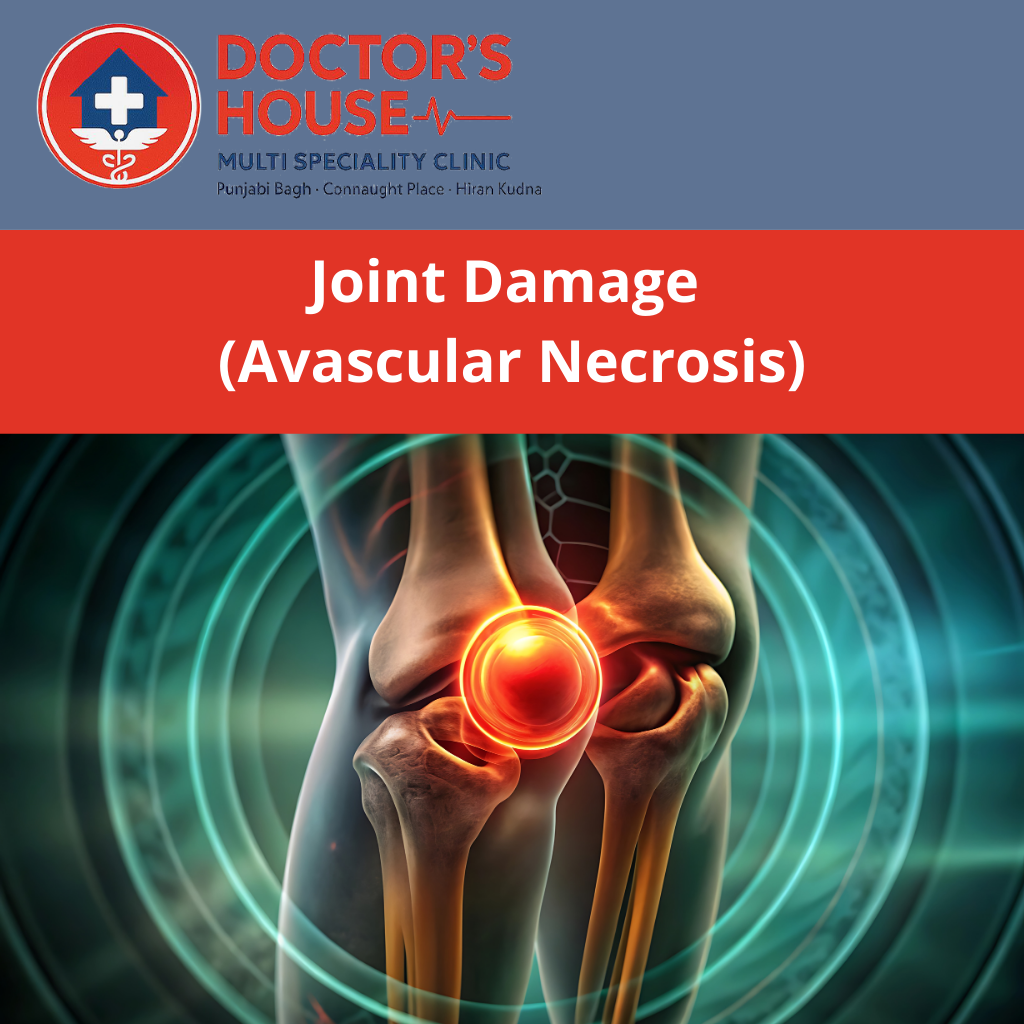
Avascular Necrosis: The blood supply to a bone is compromised or lost completely. When the oxygen and nutrients cannot reach the bones, they start dying. The femoral head that forms part of the hip joint is the most common site of avascular necrosis. This eventually leads to the collapsing of the joint surface and results in:
- Deep, throbbing pain
- Loss of mobility
- Joint instability
- Progressive stiffness
- Eventual joint collapse
The particularly frightening thing about Avascular Necrosis is that it so often develops silently, without noticeable symptoms in its early stages.
Once the deformation in bones starts, it cannot be reversed; many patients eventually face a total hip replacement, which may happen in as early an age as the 20s or 30s.
The Steroid Connection
One of the most startling facts brought to light by surgeons is that abuse of steroids is a major trigger in avascular necrosis.
Steroids significantly raise the level of blood fats. The fat molecules block the minute vessels supplying blood to the hip bone. Any slight interruption of blood supply triggers a chain reaction resulting in bone death.
As the surgeon said: A single steroid cycle can be enough to initiate it.
Most athletes have the internal joint destruction masked by an outward appearance of strength. The tragedy is that, by the time symptoms appear, the disease can already have been in an advanced stage.
Warning Signs Lifters Often Ignore
Although AVN starts quietly, there are certain red flags that should never be overlooked:
- Chronic hip or groin pain in squats
- Pain that is worse after sitting
- Clicking or catching sensations
- Morning stiffness
- Pain radiating to the thigh or knees
These signs might be mistaken for muscle soreness or even hip flexor tightness, thereby delaying diagnosis and, ultimately, affecting the outcome.
The Dangerous Impact of Poor Lifting Technique
Not using steroids is important, but that, in and of itself, will not provide protection for the joints. Poor form, says the surgeon, is another major cause of lifelong orthopedic problems.
Why Your Knees Are at High Risk
The knee is an extremely complicated joint. It depends on:
- ACL
- PCL meniscus
- Medial and lateral collateral ligaments
- Supporting cartilage
- Joint capsule stability
Poor alignment during heavy squats, deadlifts, cleans, or leg presses has the potential to cause structural damage due to the mechanical overload over time.
Common Technique Mistakes That Cause Long-Term Damage
Following are some common mistakes that people make in the gym:
- Knees collapsing inwards while doing squats
- Excessive leaning forward
- Hyperextension on leg press
- Rounding or over-arching the lower back
- Rapid weight increases without form mastery
- Poor bracing mechanics
These tracking errors lead to micro-tears and pressure unevenness, creating chronic pain, injury to the ligaments, and breakdown of cartilage over months and years.
As cartilage cannot repair itself once damaged, prevention remains one of the only realistic approaches.
Safe and Sustainable Progression: Advice by the Surgeon
Why Slow Progress Is Strong Progress
Contrary to the myth, heavier is not always smarter. Muscles do adapt rapidly to increased load; however, the rate at which ligaments and cartilage adapt is much slower. This sets up a very hazardous situation when the weights increase too quickly.
A safe progression model includes:
- 5–10% gradual increases
- Consistent form checks
- Strengthening mainly for stability
- Training the stabilizing muscles: glutes, core, and hip abductors
- Improving strength with mobility
This method protects the joints while still allowing steady muscle growth.
The True Purpose of Progressive Overload
Progressive overload is not ego lifting nor proving your strength; it’s controlled, sustainable improvement. When done safely, it fortifies not only muscles but also tendons, joints, and connective tissues for lifelong resilience.
The Supplement Trap: What’s Hiding Inside Your Protein Jar?
The surgeon also points to another, less-discussed risk: low-quality or counterfeit supplements. Many of the athletes have taken products unknowingly contaminated with:
- Undisclosed steroids
- Banned stimulants
- Heavy metals
- Unregulated chemicals
These substances can damage:
- Joint cartilage
- Hormonal balance
- Kidney function
- Bone metabolism
Quality supplements assure better results, but the most important thing is health in the long term.
How To Choose Safe Supplements
- Buy from certified brands only
- Check for third-party lab testing
- Avoid ultra-low price offers
- Look for transparent ingredient labels
- Buy from trusted distributors
Your body deserves to receive products that heighten its performance, not those that quietly harm it.
Real Cases Surgeons See Every Week
A 25-year-old bodybuilder
Used steroids for a bulking cycle. Avascular Necrosis in both hips. Had to have double hip replacement before age 30.
A Functional Athlete in His 30s
Aggressively trained with poor squat mechanics while ignoring knee pain. This was the reason for the ACL tear, PCL meniscus damage, and loss of cartilage.
Lad in His Late 20s, Gym Enthusiast
Took supplements available cheap online. Suffered from hormonal imbalance and reduced bone density because of steroid content inside.
These stories surface more often in all facets of life proof that no one is immune to poor decisions and unsafe fitness practices.
How to Save Your Joints For Life
Essential Joint Protection Habits
- Warm up for 10–12 minutes
- Perform exercises that target the glutes, hamstrings, and core
- Avoid sudden weight jumps
- Use proper lifting mechanics
- Alignment by focus
- Take rest days seriously
- Keep yourself hydrated
- Eat an anti-inflammatory, joint-friendly diet
Mobility and Stability Training
Long-term joint health relies on these non-negotiables, including:
- Hip mobility
- Thoracic spine mobility
- Ankle dorsiflexion work
- Controlled breathing and bracing
- Knee stabilization drills
Healthy joints are built through consistency, not intensity.
Conclusion: Train for Longevity, Not Just Today’s PR
The rising number of cases involving Avascular Necrosis and other joint injuries among weightlifters prove one simple truth: Strength means nothing if your joints fail you.
Combining all the above steroid misuse, poor technique, ego lifting, fake supplements, and quick progression creates the perfect storm for irreversible orthopedic damage.
Take care of your body.
Take care of your future.
Muscles can regenerate themselves.
Joints cannot.
Training smart today makes sure you’re mobile, active, and pain-free for decades to come.