
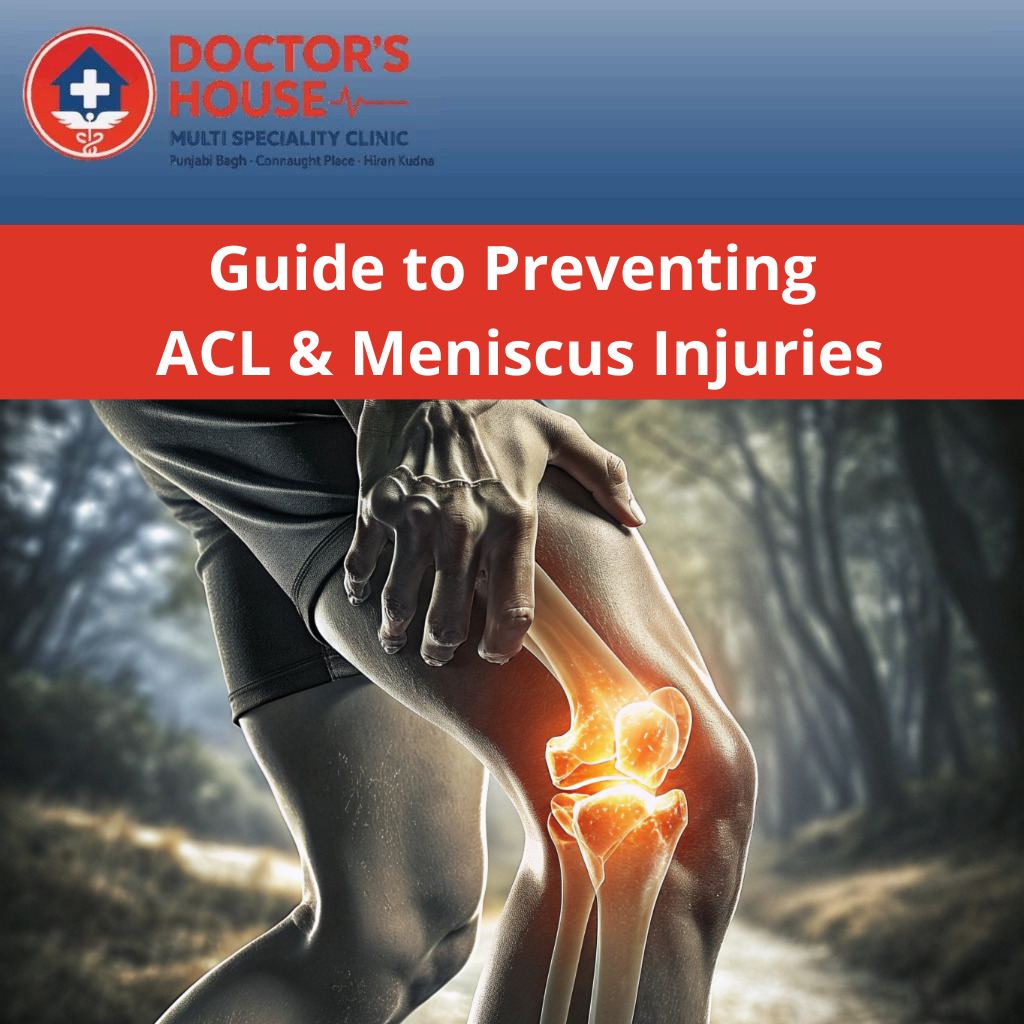
The Shocking Gym Mistake 90% of Lifters Make — A Knee Surgeon Explains How to Prevent ACL & Meniscus Injuries
Most individuals go to the gym concerned with strength, aesthetics, or performance. However, according to leading Knee Surgeon Dr. Mayank Daral, 90% of people going to the gym make one dangerous mistake that silently destroys the knee joint over time.
This mistake, apart from causing temporary pain, is one of the leading causes of ACL tears, Meniscus injuries, chronic instability, and eventually even early Knee Replacement.
What is this mistake?
Excessive uncontrolled weight progression; otherwise know as ego lifting.
In this article, we break down why this happens, how it damages your knees, and the one simple rule that can prevent most gym-related knee injuries.
Why Ego Lifting is More Dangerous than You Think
The gym culture glorifies lifting heavy as fast as possible. Many people jump from 40 kgs to 60 kgs in one week, or copy someone else’s PR without proper conditioning.
But here’s the problem:
Your muscles adapt faster than your ligaments.
Your quads might be able to push a new weight, but your ACL and Meniscus cannot support the sudden load. It’s this mismatch that causes:
- Micro-tears in the ACL
- Menisci compression injuries
- Sharp pain in the knee when weight-bearing
- Instability during squats or deadlifts
- Early wear-and-tear of the joint
In fact, Dr Mayank Daral sees an increasing number of patients who tear their ACL not on a sports field, but inside a gym.
The Rule of 10: A Knee Surgeon’s Formula for Safe Lifting
Having treated thousands of knee injuries, Dr. Daral recommends the following simple but powerful training rule:
📌 The Rule of 10
Never increase the weight of your workout more than 10% from the last session.
This means your muscles, ligaments, and joints will all progress together safely.
Why this works:
- It prevents sudden overloading.
- It reduces Meniscus compression.
- It keeps your ACL within a safe range.
- It allows your joints to adapt slowly.
- It sustains its form and is stable.
How Rapid Weight Jumping Damages Your Knee Joint
When overloading occurs, several things occur inside the knee:
1. ACL Strain or Rupture
The ACL acts to stabilize your knee. During intense sudden loading, the ligament may be stretched beyond its limits, resulting in sprains or complete tears.
2. Meniscus Compression Injury
The Meniscus is a shock absorber. It gets crushed if too much weight bears too soon, thus tearing or degenerating.
3. Joint Instability
Poor form with heavy weight leads to wobbling and shifting, and shearing forces inside the knee.
4. Early cartilage wear
Repeated overload accelerates osteoarthritis, the leading cause of early Knee Replacement.
Many people don’t feel pain right away, while internally the damage is silently piling up.
Signs You’re Overloading Your Knees in the Gym
- Clicking or popping inside the knee
- Pain in the inner or outer joint
- Swelling a few hours after training
- Sharp pain under the kneecap
- Stiffness the next morning
- Feeling unstable during squats
These are not “normal gym pains”; they are red flags.
How to Apply the Rule of 10 in Your Training
Here’s how to follow this rule:
1. Track Your Weights
Use an application or notebook to track your last session. This avoids accidentally having big jumps.
2. Focus on Form Instead of Numbers
Your form should never break down for the sake of heavier lifting.
3. Increase Slowly, Consistently
Slow progress is better than no progress – and it’s safer.
4. Train Supporting Muscle
Stronger glutes, hamstrings, and core take pressure off of the ACL and Meniscus.
5. Proper Warm-up
A cold knee is vulnerable. Activate muscles before loading.By following these steps, your risk for injury will dramatically decrease.
Why This Rule Matters for Long-Term Knee Health
You may not feel it today, but knee injuries are quietly building up.
Repeated overload results in:
- Chronic Menisci damage
- Ligament micro-tears
- Cartilage thinning
- Early osteoarthritis
- Possible Knee Replacement in young age
The Rule of 10 protects your knees so you can enjoy lifelong fitness, not just short-term PRs.
Learn More from a Trusted Knee Surgeon
If you want clear, expert-backed guidance on ACL injuries, Meniscus tears, knee strengthening, and safe training techniques, you can explore detailed videos by Dr. Mayank Daral.
His channel provides simple, visual explanations for patients and fitness enthusiasts.
🔗 YouTube Channel:
https://www.youtube.com/@drmayankdaral
A valuable resource to protect your knees and train smarter for life.
FAQs: Commonly Asked Questions About ACL, Meniscus, and Knee Injuries
1. An ACL tear can result from heavy lifting.
Yes-especially if the weight gain is progressive and uncontrolled, or if the form breaks because of overload.
2. Does the Meniscus tear easily during squats?
Incorrect form, poor foot alignment, and rapid weight jumps increase Meniscus stress significantly.
3. What amount of weight gain is considered safe?
Under the Rule of 10, only a 10% increase per session is safe.
4. When does one consult a Knee Surgeon?
Should the pain in the knee persist, or should there be repeated swelling and the knee locking, see a specialist immediately.
5. Will ignoring pain in the knee lead to Knee Replacement?
Yes. Untreated ligament or Meniscus injuries accelerate cartilage loss, increasing the need for early Knee Replacement.