Why is your knee still hurting? How to Get Better After Having Knee Pain
The first thing you need to do to get rid of knee pain is to understand that not all aches are the same and that where your pain is is the best way to figure out how to feel better. If you’ve ever felt a sharp pain while climbing stairs or a dull throb after a long run, you know how annoying it can be to have an injury that won’t go away. A lot of people go through a cycle of resting for a week, feeling better, and then having the pain come back as soon as they put on their shoes again. If this sounds like you, it’s time to look for more than just quick fixes.
As an orthopaedic surgeon, I see a lot of people who don’t know what their symptoms mean. They might not know if they have torn a ligament or if they are just “getting old.” But clinical experience shows that the first step in successfully treating knee pain is to figure out exactly where the stress is coming from.
Finding the Source: The Joint Line vs. The Kneecap
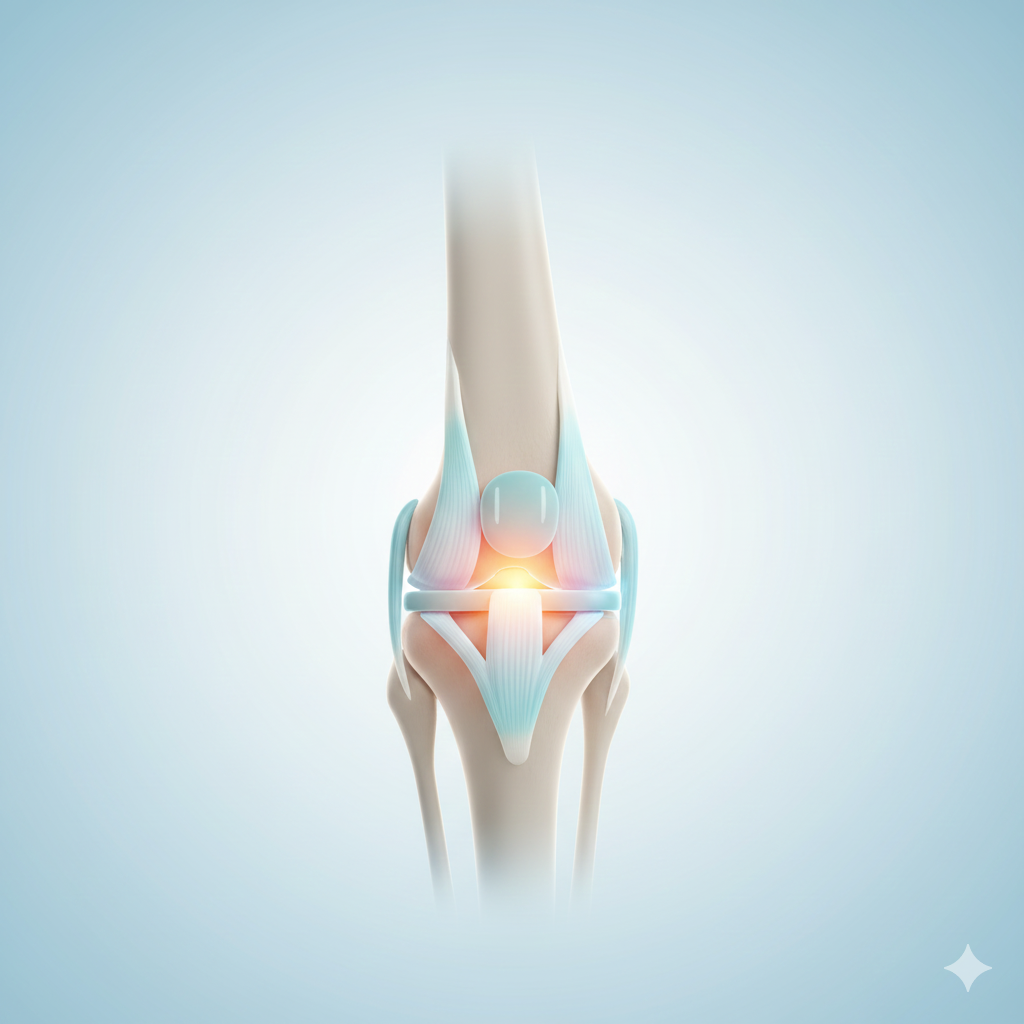
Before we can start recovery, we need to find the anatomical source. You might have a meniscus problem if you press your fingers along the joint line on the sides of your knee and it hurts a lot. The meniscus is a crescent-shaped piece of cartilage that protects the knee from shock.
You probably have patellofemoral pain syndrome if your pain is deep, hard to describe, or right behind your kneecap. A lot of people go to the doctor for knee pain because of this. If the kneecap (patella) doesn’t move smoothly in the groove of the thigh bone (femur), it can hurt the cartilage underneath.
The Unseen Reasons for the Pain That Won’t Go Away
You may be wondering, “Why does it still hurt after two weeks of rest?” This is where the study of biomechanics in people gets interesting. The joints above and below the knee are “slaves” to it. Patellofemoral pain syndrome often causes knee pain because of problems with the hip or foot.
1. The Link In the middle of the hip and the knee
If your hip stabilisers (the glutes) are weak, your thigh bone will tend to rotate inward when you walk or run. The angle of the kneecap changes because of this “collapse,” which makes it rub against the femoral groove. Putting ice packs on your knees won’t help with the pain in the long run until the hip is stable.
2. What the quadriceps do
The quads are the most important muscles that protect the knee. The pressure under the kneecap goes up a lot if these muscles aren’t strong enough or are out of balance. The Vastus Medialis Obliquus (VMO) is a teardrop-shaped muscle on the inside of the thigh that is often the key to keeping the kneecap in the middle while you treat your knee pain.
3. The Swelling’s Downward Spiral
When you hurt a joint, it makes fluid. This swelling can make your muscles stop working. The body does this to keep itself safe, but it doesn’t work. As the muscle gets weaker, the joint hurts more, which makes the swelling worse. To stop this cycle, you need an orthopaedic surgeon who knows how to get the muscles working again and how sports biomechanics work.
A Recovery Plan That Puts People First
A medical blog can talk about the science, but a human-centered approach knows that you want your life back. You want to be able to pick up your kids without hurting and run a 5K without limping for three days. These days, getting rid of knee pain isn’t about sitting still; it’s about moving in a smarter way.
- Step 1: Change what you’re doing (not stop it) Most of the time, complete rest isn’t the answer. These days, “relative rest” is a common way to treat knee pain. This means finding things to do that don’t hurt the joint. If running hurts, swimming or biking might not. Moving the joint keeps the cartilage and blood flow healthy.
- Step 2: Getting Things Ready We focus on fixing movement after the acute irritation goes away. Some of these exercises are meant to “teach” the kneecap how to move the right way. We’re not just building muscle; we’re also helping you move better so that your knee pain treatment lasts.
- Step 3: Add More Weight The last thing you need to do to get rid of your knee pain is to slowly put it through the stresses of your sport or daily life. We do this slowly so that the body can get used to it without starting the inflammatory response again. This is how we keep our joints strong for a long time.
When to See an Orthopaedic Surgeon
You can’t always figure out what’s wrong with yourself. Physical therapy can help with a lot of cases of patellofemoral pain syndrome, but some signs mean that an orthopaedic surgeon needs to look at them.
- The knee locks up, gets stuck, or doesn’t fully extend.
- When you walk normally, the joint feels like it’s going to break.
- A lot of swelling that doesn’t go down with ice and rest.
- The pain is so bad that it wakes you up at night or doesn’t go away when you rest.
Getting an appointment with an orthopaedic surgeon makes sure that more serious problems, like high-grade cartilage damage or meniscus tears, are ruled out through clinical testing or imaging. Getting help from a professional for your knee pain will help you relax because you won’t be making a small injury worse.
In the end, your knees will be fine.
Pain is a sign, not a punishment. The goal of modern knee pain treatment is to keep you moving, whether you have patellofemoral pain syndrome or an injury to the joint line. Instead of just treating the symptoms, you should deal with the root causes, like hip stability and quad strength. This will give you more strength to do the things you love.
Remember that your body is made up of parts that work together. Take care of the muscles that support your joints, pay attention to the first signs of trouble, and don’t be afraid to ask a doctor for a plan that is right for you to treat your knee pain.
Dr. Mayank Daral is an Olympic-certified orthopaedic surgeon who treats sports injuries and helps people recover from knee injuries. He is dedicated to helping patients of all levels get back to their best through care that is based on evidence.